
About Me
Independent AI safety researcher (funded by LTFF and Coefficient Giving), working on interpretability of LLMs. Main topics of interest have been machine unlearning, modularity, understanding longer-term planning.
I've worked as a Research Lead at AI Safety Camp, SPAR, and Algoverse, and as a Teaching Assistant at ARENA (Alignment Research Engineer Accelerator) in London.
Before AI Safety, I studied Theoretical Physics, learned software engineering, and took part in the International Math Olympiad (IMO) and International Chemistry Olympiad. I'm comfortable working across the software stack, though these days I tend to do most work through Claude Code.
Main Projects

Soft Contamination Means Benchmarks Test Shallow Generalization
Investigated the degree to which benchmarks may be contaminated with various levels of semantic duplicates. Showed that the Olmo3 training corpus has a large overlap with existing benchmarks, and found that benchmark gains partly reflect test data leaking into ever-larger training sets.
View Project
ARENA Infra: GPU Machines for AI Safety Bootcamps
Built the infrastructure for running ARENA's ML bootcamps: scripts to spin up and manage 20+ GPU cloud machines on RunPod, a shared Docker image with the course pre-installed, and an optional SSH proxy so participants only need to set up once. Used by ARENA and by other programs such as CAMBRIA.
View Project
ParaScopes: What do Language Models Activations Encode About Future Text?
Developed Residual Stream Decoders to probe how LLMs "plan" paragraph- and document-scale content, by decoding single-token residual stream activations. Used 2 different methods: 1) using the original model to decode the residual stream, and 2) mapping to a text auto-encoder space. Found that activations encode information equivalent to 5+ tokens of future context, even in small models.
View Project
Extracting Paragraphs from LLM Token Activations
Investigated how language models encode and plan paragraph-level information by analyzing single-token activations. Developed methods to extract and transfer contextual information between different prompts using activation patching techniques. Demonstrated that models maintain strong contextual awareness during text generation.
View Project
Modularity in Transformers: Investigating Neuron Separability & Specialization
Researched modularity and task specialization within transformer architectures, focusing on both vision and language models. Combined selective pruning and clustering techniques to analyze how different neurons specialize in various tasks. Found evidence of task-specific neuron clusters with varying degrees of overlap between related tasks.
View Project
Investigating Neuron Ablation in Attention Heads
Developed a novel 'peak ablation' method for analyzing attention mechanisms in transformer models. Compared different neuron ablation techniques and their effects on model performance. Research provided insights into how attention neurons represent information and how different ablation methods affect model behavior.
View Project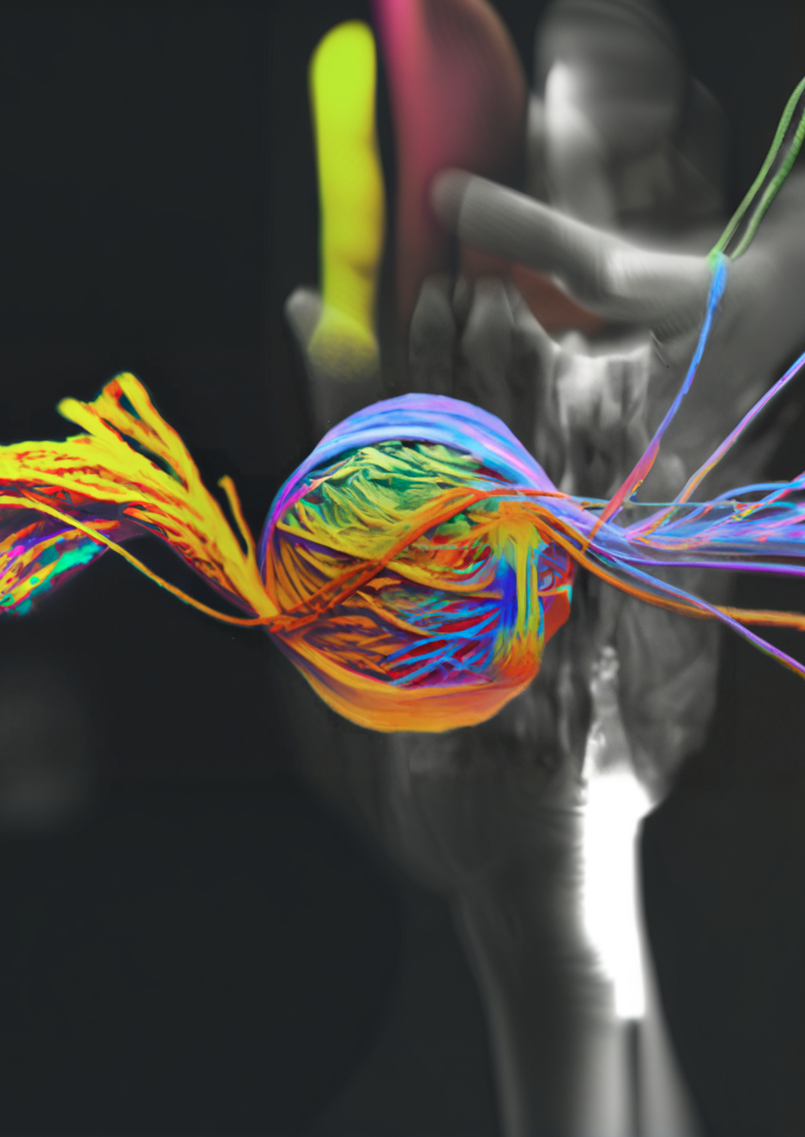
Dissecting Language Models: Machine Unlearning via Selective Pruning
Introduced a novel machine unlearning method for LLMs that uses selective pruning to remove specific capabilities while retaining others. The method identifies and removes neurons based on their relative importance to targeted capabilities vs overall network performance. Demonstrated state-of-the-art results in selective capability removal while maintaining model performance on other tasks.
View Project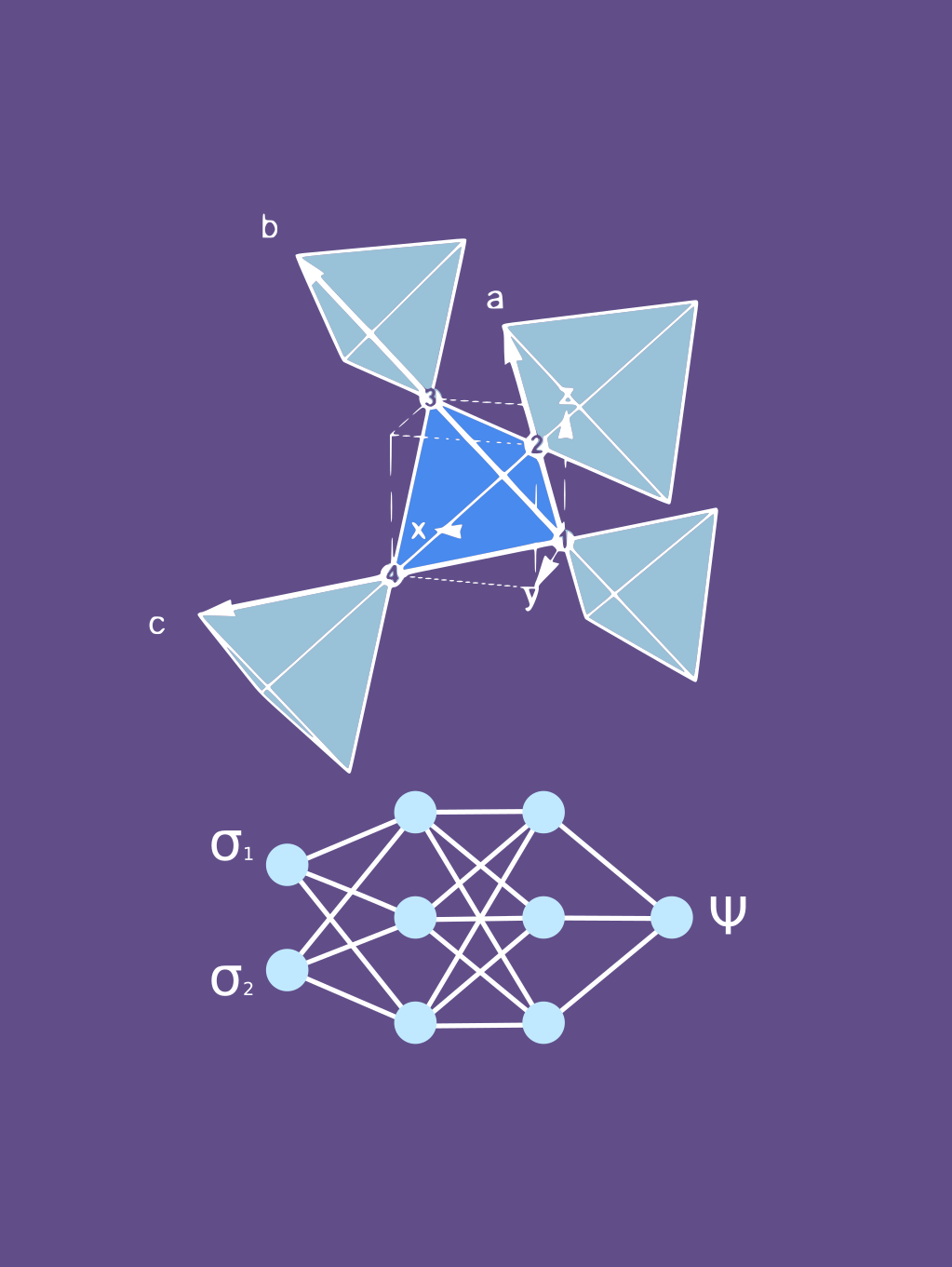
Machine Learning for Many-Spin Quantum Systems
Worked on finding the ground state of quantum spins in different lattice configurations using different algorithms, in particular, looking at how different neural network models may be a way of getting better results.
View Project
SGX Twilio
Created a bridge from twilio phone numbers to XMPP to the specification of Soprani.ca that allows the use of twilio phone numbers for normal texting.
View Project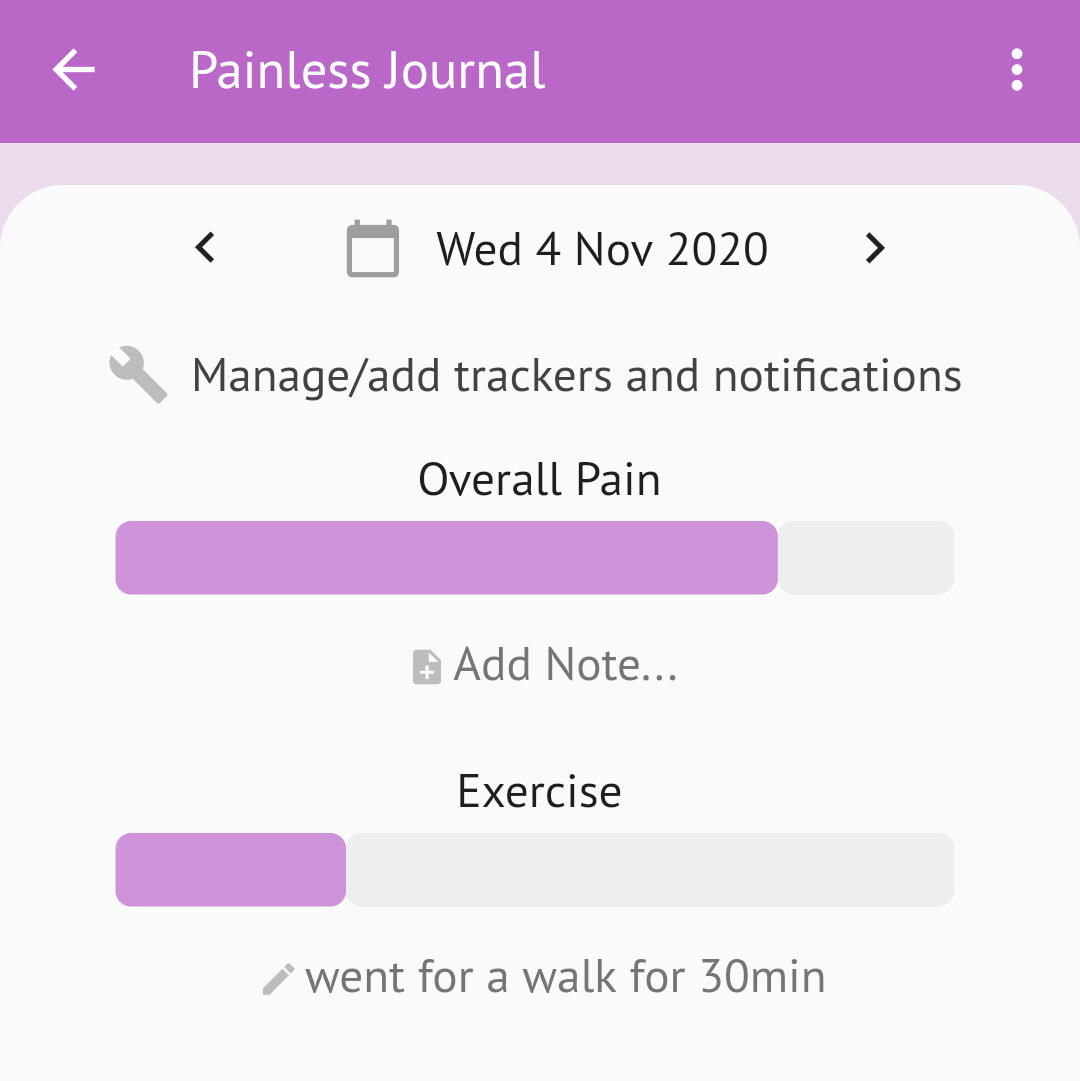
Painless Journal App
Worked in a team to develop a Flutter App for tracking and managing chronic pain symptoms
View Project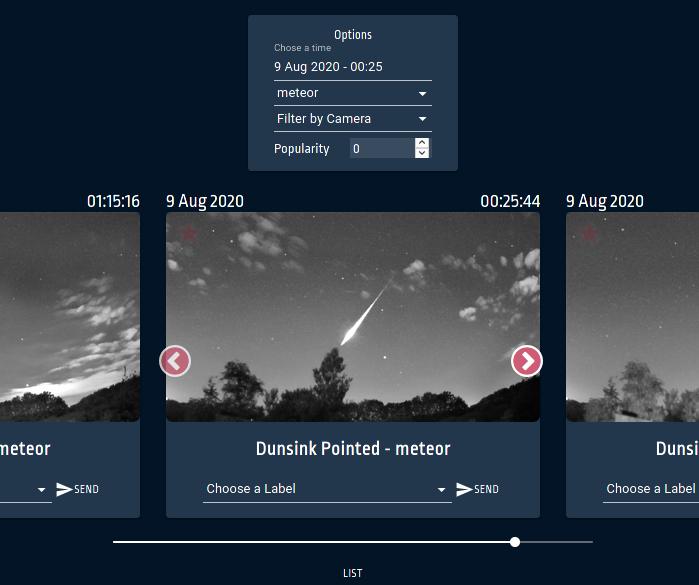
Meteor Website
Created an automated website for looking through a database of meteor images and allowing user input
View Project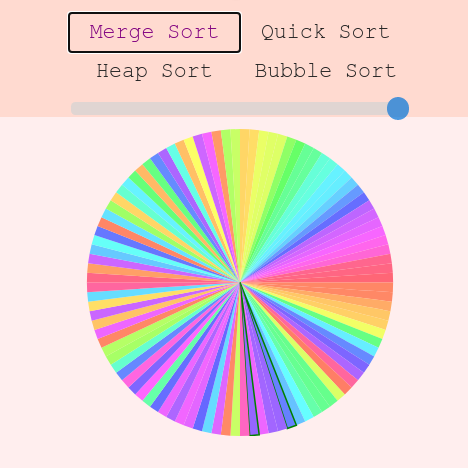
Sorting Algorithm Visualizer
A tool for visualising common sorting algorithms: Merge, Quick, Heap & Bubble Sort.
View Project
Society Events Website
A website that scrapes and saves data from facebook to connect students to events in Trinity College.
View Project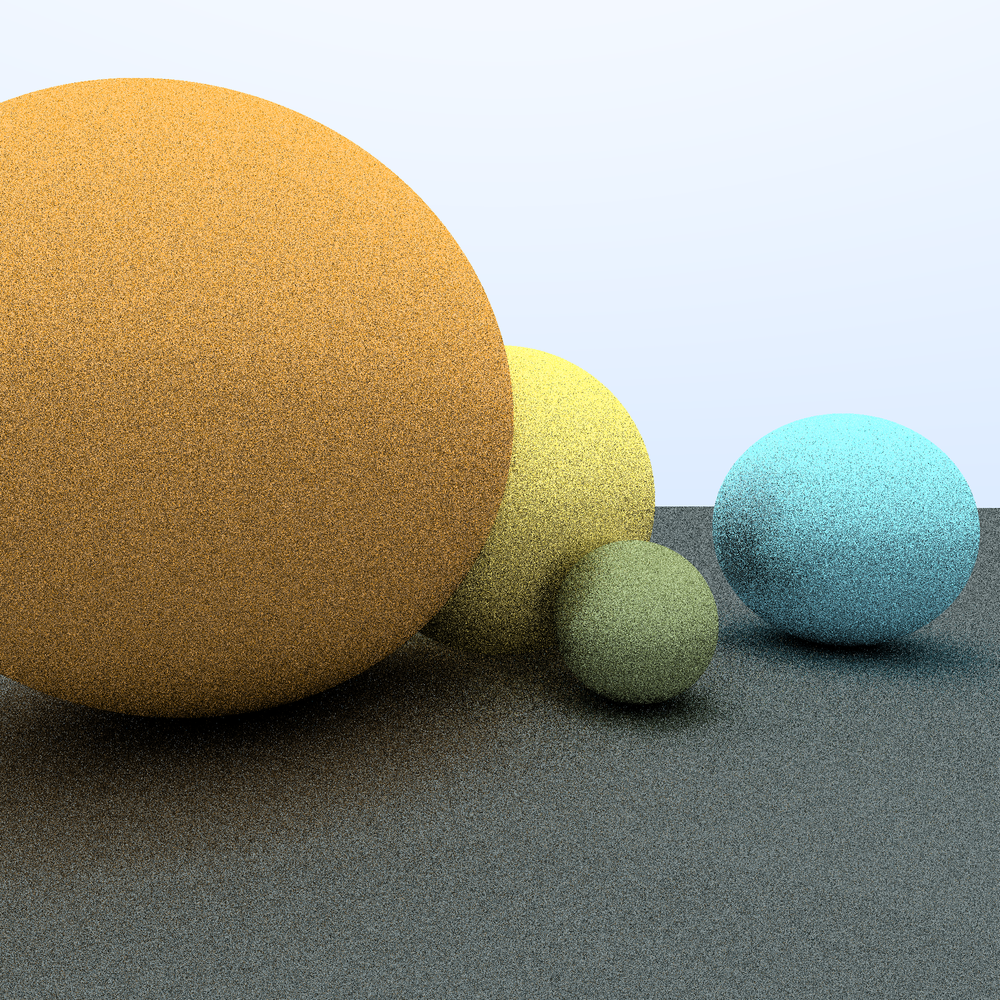
Ray Tracing Physics Project
Studied the physics of ray-tracing simulation in a team and built a C++ program to better study implementation.
View Project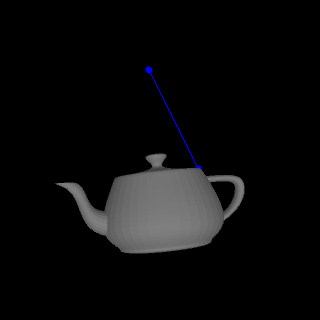
Rigid Body Simulation
Created a 3D interactive rigid-body simulator using advanced integration techniques, such as Green's Theorem.
View Project